
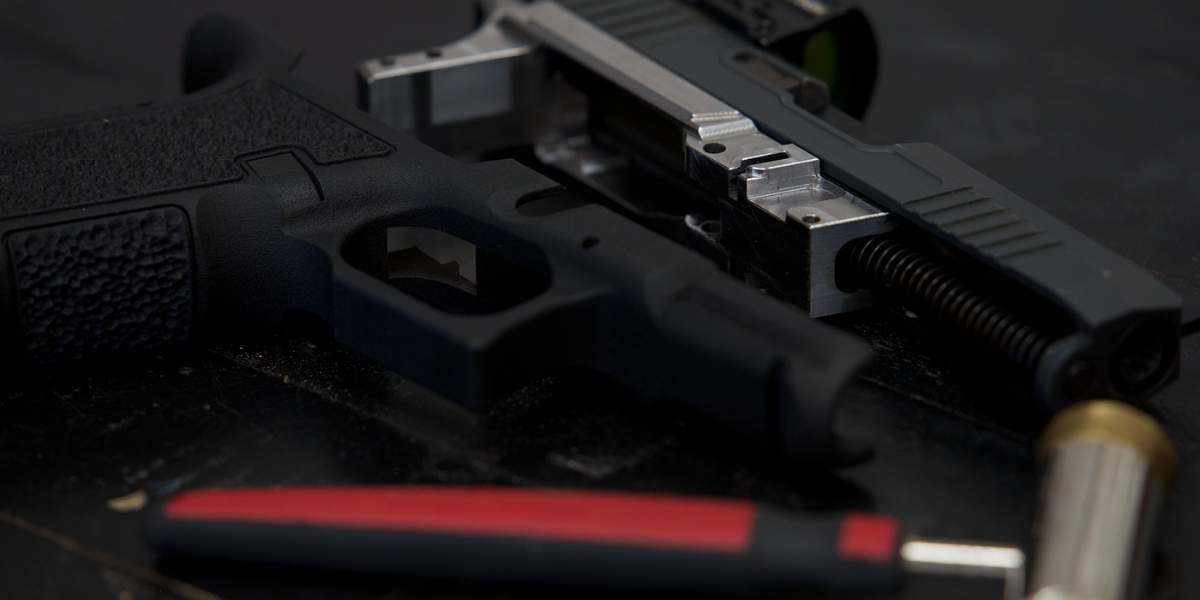
If you’ve turned on the news in the last few years, you’ve probably heard the term “ghost gun” tossed around like it’s something out of a horror movie. Politicians warn about them. News anchors furrow their brows over them. And if you believed everything you read, you’d think ghost guns were some terrifying new invention threatening the fabric of society.
But here’s what most of those stories leave out: Americans have been building their own firearms since before there was a United States of America. The practice isn’t new. The scary-sounding name is.
So what is a ghost gun, really? Not the media version. Not the political talking point. The actual, factual answer.
That’s exactly what we’re going to cover here. You’ll learn what the term means, where it comes from, the different types of ghost guns people build, whether they’re legal, and why so many Americans choose to build their own firearms in the first place. No hype. No agenda-driven spin. Just the facts and some history you probably haven’t heard before.
Ghost Gun Definition: What It Really Means
Let’s start with the basics. A ghost gun is any firearm that doesn’t have a serial number. That’s it. That’s the whole definition.
The name comes from the idea that without a serial number, the firearm can’t be traced through traditional law enforcement databases. It’s a “ghost” because it doesn’t show up in the system. The Bureau of Alcohol, Tobacco, Firearms and Explosives (ATF) uses the more formal term “privately made firearm” (PMF), which is a lot less dramatic but a lot more accurate.
Now, here’s where it gets interesting. Ghost guns aren’t some special class of weapon. They don’t fire differently. They don’t look different. Once a home-built firearm is complete, it’s functionally identical to anything you’d buy off a store shelf. Same materials. Same mechanics. Same result at the range.
So how does a ghost gun come into existence? There are a few common paths:
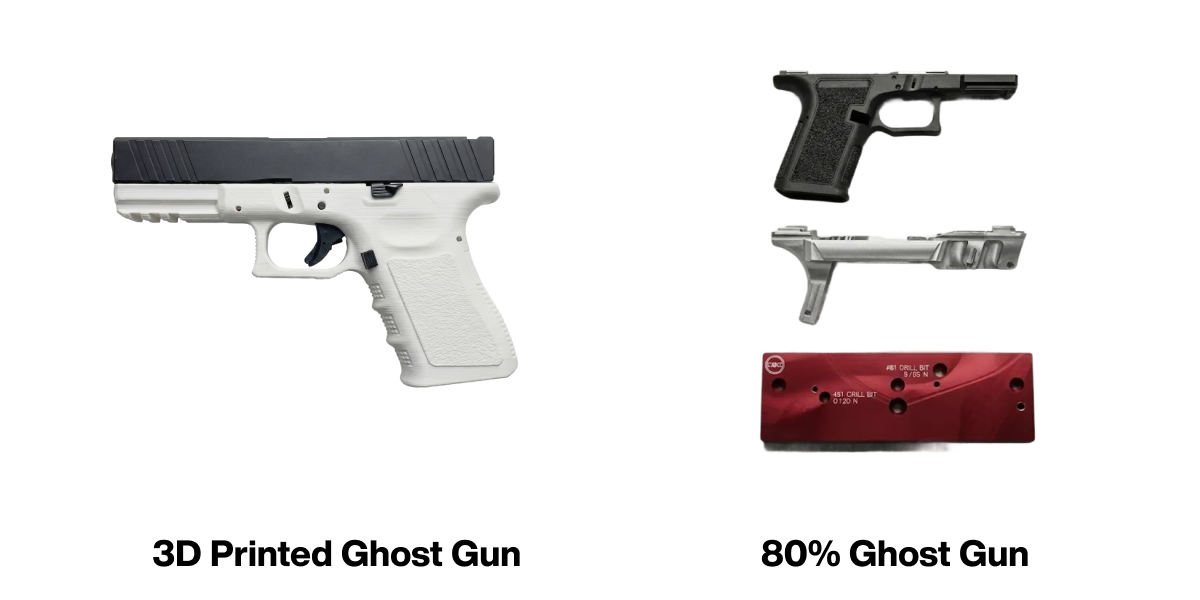
- 80% lower receivers: Unfinished frames that require machining to become functional
- Polymer frame kits: Unfinished pistol frames (like the popular Glock-compatible builds) finished with hand tools
- 3D-printed firearms: Frames or receivers printed from digital files on a consumer 3D printer
- Pre-serial number firearms: Any gun manufactured before serial numbers were required by law
The term “ghost gun” gets applied to all of these. But as you’re about to see, the differences between them matter quite a bit.
Building Your Own Guns: A Tradition as Old as America
Here’s the part the news almost never mentions.
Americans didn’t start building firearms at home last Tuesday. This goes back centuries. During the colonial era, gunsmithing was one of the most important and respected trades in the New World. When the Continental Army faced a critical arms shortage during the Revolutionary War, it was domestically produced firearms and gunpowder that kept the fight alive.
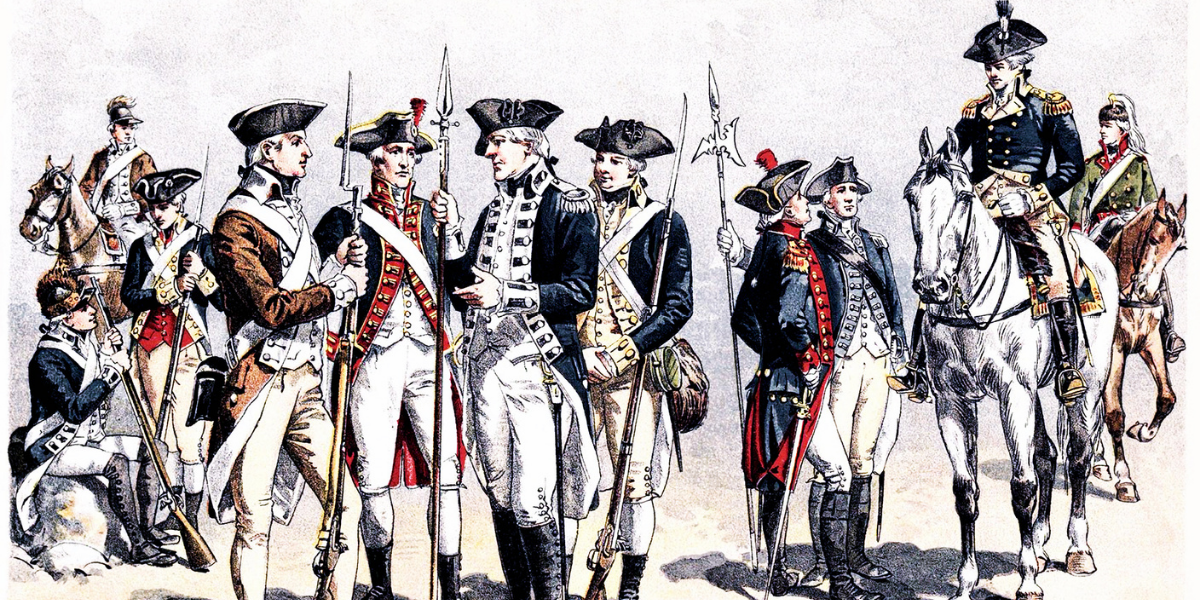
Think about that for a second. The nation literally owes its existence, in part, to privately made firearms.
And for most of American history, there were zero restrictions on making guns for personal use. Not in the 1700s. Not in the 1800s. Not even after the Gun Control Act of 1968, which specifically left personal firearms manufacturing alone. You could build a gun at your kitchen table, and nobody batted an eye.
So what changed? Not the law. Not the practice. The technology changed.
Starting in the 2010s, polymer 80% frames and affordable 3D printers made home builds accessible to people who didn’t have a machine shop or years of gunsmithing experience. More people started building, the media noticed, and “ghost gun” became the phrase of choice for anyone looking to generate fear around a centuries-old American tradition.
The term is new. The tradition is not.
The Three Types of Ghost Guns
Not all ghost guns are created equal. The media tends to lump everything together, but the three main methods of building a home firearm are very different in terms of materials, tools, difficulty, and cost. Let’s break them down.
80% Lower Receivers
This is where the modern ghost gun conversation started. An 80% lower is an unfinished receiver (the part of a firearm that the ATF legally considers the “gun”) that’s roughly 80% complete. Because it’s not yet a functional firearm, it historically could be sold without a serial number or background check.
The most common platforms are AR-15 rifles and AK-47 variants. The receiver blanks are typically made from aluminum or polymer.
To finish one, you’ll need a drill press or router, a jig (which acts as a template), and some basic hand tools. Depending on your skill level, expect to spend anywhere from 1 to 7 hours completing the machining work. You’re essentially milling out the trigger pocket and drilling a few pin holes.
It’s not as intimidating as it sounds. If you can follow instructions and operate a drill press, you can finish an 80% lower.
Polymer Frame Kits
If 80% lowers are the original, polymer frame kits are the gateway that brought ghost guns to a much wider audience.
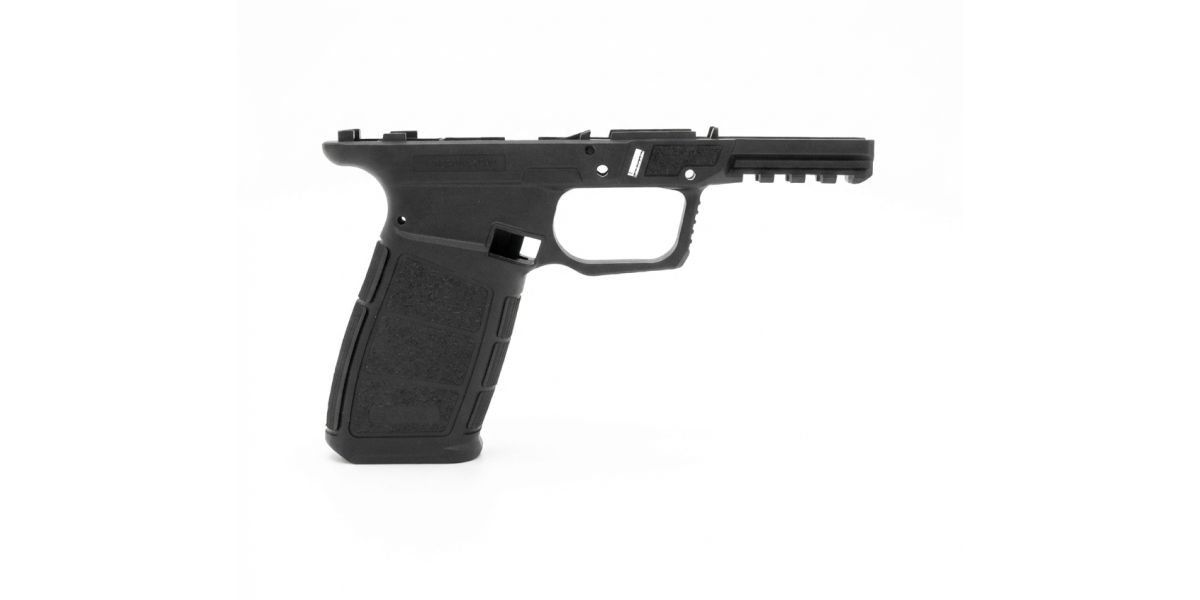
These are unfinished polymer pistol frames, most commonly compatible with Glock-pattern parts. The most famous name in this space was Polymer80, which sold millions of frames before going out of business. But the concept lives on through other manufacturers.
Here’s what makes these kits appealing: the tools required are dead simple. A hand drill, a file, some sandpaper. That’s about it. You’re drilling out a couple of pin holes and removing a few plastic tabs. Most people can finish one in under two hours, even on their first try.
The finished product? A fully functional pistol that accepts standard Glock slides, barrels, and compatible components. You build the frame, install the parts, and you’ve got a working handgun you assembled yourself.
3D-Printed Firearms
This is the type that gets the most headlines, even though it’s actually the least common in practice.
A 3D-printed ghost gun starts as a digital file. Using a consumer-grade 3D printer (you can get a capable one for around $200), you print the frame or receiver from PLA+ filament, a type of plastic that’s stronger and less brittle than standard PLA.
Here’s the key fact that most media coverage misses: only the frame is printed. The barrel, slide, trigger components, and all the parts that handle the actual pressure of firing a round are still metal. A fully plastic gun would fire once (maybe) and likely destroy itself. Functional 3D-printed builds are a combination of a printed frame and purchased metal project parts.
Print times run 9 hours or more for a frame, plus assembly time. The learning curve includes getting comfortable with 3D printing basics like bed leveling and print settings, but you don’t need any machining skills.
Are Ghost Guns Legal?
This is the question everyone wants answered, and the short version is: yes, building a firearm for personal use is legal at the federal level.
Nothing in the Gun Control Act of 1968 prohibits an individual from making a firearm for their own use. The catch? You can’t be a prohibited person (convicted felon, for example), and you can’t manufacture with the intent to sell without a Federal Firearms License.
You may have heard about the ATF’s 2022 “frame and receiver” rule, which was upheld by the Supreme Court in March 2025 in Bondi v. VanDerStok (a 7-2 decision). Here’s what that actually means: companies that sell ghost gun kits commercially are now required to serialize those kits and conduct background checks on buyers. It’s a regulation on commercial sellers, not on your right to build a firearm for personal use.
That said, state laws vary significantly. Some states have added their own restrictions, from serialization requirements to outright bans on unserialized home builds. Before you start a project, check your state and local laws. This article isn’t legal advice, and the rules differ depending on where you live.
The bottom line at the federal level? Building a gun for yourself, by yourself, remains legal. It has been for over 200 years.
Why Build Your Own Firearm?
“But why would anyone want to do this?”
It’s a question that comes up constantly, usually from people who’ve only heard the term “ghost gun” in a negative context. The real answers might surprise you.
It’s a craft. Building a firearm from components is the same kind of hands-on satisfaction you get from building your own PC, restoring a classic car, or woodworking. There’s something deeply rewarding about assembling a functional tool with your own hands and knowing every part and how it works.
It’s about customization. When you build, you choose every single component. The trigger. The barrel. The sights. The grip. You’re not stuck with whatever a manufacturer decided to put in a box. You get exactly what you want, built to your specifications.
It’s a constitutional right. The Second Amendment and centuries of American legal tradition protect the right to keep and bear arms. For many builders, making their own firearm is a direct and personal exercise of that right. And yes, for some, privacy matters. Not everyone wants their firearms in a government database, and there’s nothing wrong with that.
It can save money. Build kits are often more affordable than buying a completed firearm off the shelf. And you can spread the cost out, buying parts over time as your budget allows.
Ready to Build?
So let’s bring it all together.
A ghost gun is simply a firearm without a serial number. It’s usually built at home from an 80% receiver, a polymer frame kit, or a 3D printer. The term sounds scary, but the practice is anything but. Americans have been building their own guns since the colonial era. It’s legal at the federal level. And millions of people do it for the same reason anyone picks up a hands-on hobby: because building something yourself is more satisfying than buying it off a shelf.
The word “ghost gun” is a political label, not a technical category. Once you understand what it actually means, a lot of the fear and confusion falls away. You’re left with a simple reality: people building firearms at home, just like they’ve done for hundreds of years, using tools and technology available today.
If this article got you curious about building your own, getting started is easier than you might think. Whether you’re drawn to the precision of 3D printing or prefer the straightforward approach of working with a kit, there are options for every skill level and budget.
Check out our 3D printed build kits to get started with a printed build, or browse our 80% firearm kits if you prefer working with a proven platform. Either way, you’ll join a long tradition of Americans who chose to build rather than buy.